
Electrical and Electronics Engineering
UG Courses


Electrical and Electronics Engineering
Introduction
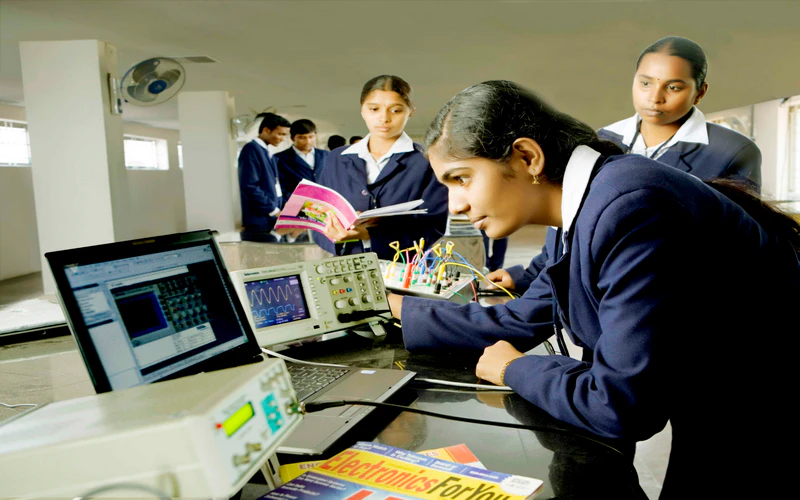
The Department of Electrical and Electronics Engineering at CMS College of Engineering was established in the academic year 2007-2008. The curriculum and syllabus for the programs offered in the department are Regulation 2021 of Anna University, Chennai. The educational program aims to strike a balance between in-depth knowledge gained through specialization and a broad understanding of emerging engineering challenges.
Vision & Mission
Vision
To provide world-class engineering education in the domain of Electrical and Electronics Engineering to meet global challenges technically, ethically and socially responsible for the welfare of all citizens.
Mission
- Provide a strong theoretical foundation in Electrical and Electronics Engineering.
- Develop practical skills and professional conduct among students.
- Foster critical thinking and problem-solving abilities.
- Create engineers equipped to meet the current and future demands of the nation and the world.
Programme Educational Objectives (PEOs)
To be successful with careers in industry, academia or the public sector, or in achieving advanced degrees in engineering or other disciplines.
To demonstrate peer-recognized expertise in at least one of the core areas of Electrical and Electronics Engineering, such as circuits, communications, signal processing, controls, electromagnetics, electronics, digital systems, power systems, energy management, industrial automation and control systems.
To demonstrate the desire and capability to grow continuously in professional ability with life-long learning through graduate study or professional improvement opportunities and through self-study.
To exhibit leadership and to function well on multi-disciplinary teams to solve distributed tasks that may span enterprises, geographies, and cultures, taking initiative to advance professional and organizational goals and facilitate the achievement of others in existing as well as new enterprises.
Programme Specific Outcomes (PSOs)
After the successful completion of the program, the graduates will be able to:
- Apply the artificial knowledge in expert systems, natural language processing, speech recognition and machine vision.
- Focus on cognitive skills that include learning, reasoning, self-correction and creativity.
Program Outcomes (POs)
Engineering Knowledge
Apply the knowledge of mathematics, science, engineering fundamentals, and an engineering specialization to the solution of complex engineering problems.
Problem Analysis
Identify, formulate, review research literature, and analyze complex engineering problems reaching substantiated conclusions using first principles of mathematics, natural sciences, and engineering sciences.
Design / Development of Solutions
Design solutions for complex engineering problems and design system components or processes that meet the specified needs with appropriate consideration for the public health and safety, and the cultural, societal, and environmental considerations.
Conduct Investigations of Complex Problems
Use research-based knowledge and research methods including design of experiments, analysis and interpretation of data, and synthesis of the information to provide valid conclusions.
Modern Tool Usage
Create, select, and apply appropriate techniques, resources, and modern engineering and IT tools including prediction and modelling to complex engineering activities with an understanding of the limitations.
The Engineer and Society
Apply reasoning informed by the contextual knowledge to assess societal, health, safety, legal and cultural issues and the consequent responsibilities relevant to the professional engineering practice.
Environment and Sustainability
Understand the impact of the professional engineering solutions in societal and environmental contexts, and demonstrate the knowledge of, and need for sustainable development.
Ethics
Apply ethical principles and commit to professional ethics and responsibilities and norms of the engineering practice.
Individual and Team Work
Function effectively as an individual, and as a member or leader in diverse teams, and in multidisciplinary settings.
Communication
Communicate effectively on complex engineering activities with the engineering community and with society at large, such as, being able to comprehend and write effective reports and design documentation, make effective presentations, and give and receive clear instructions.
Project Management and Finance
Demonstrate knowledge and understanding of the engineering and management principles and apply these to one's own work, as a member and leader in a team, to manage projects and in multidisciplinary environments.
Life-long Learning
Recognize the need for and have the preparation and ability to engage in independent and life-long learning in the broadest context of technological change.
Course Details
The Bachelor of Engineering in Electrical and Electronics Engineering program is designed to provide students with a comprehensive foundation in core EEE topics. The curriculum encompasses both theoretical knowledge and practical skills. Students will explore areas of specialization relevant to emerging engineering challenges. The curriculum is aligned with Regulation 2017.
Faculty Information


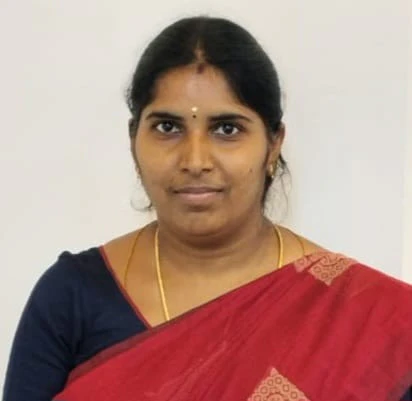
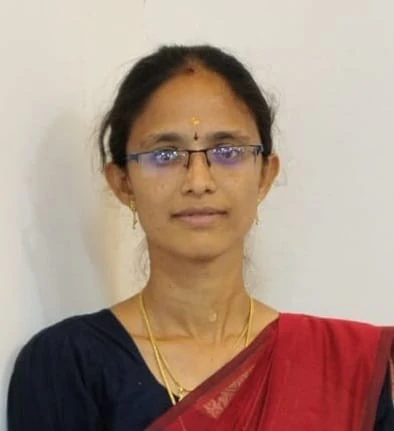
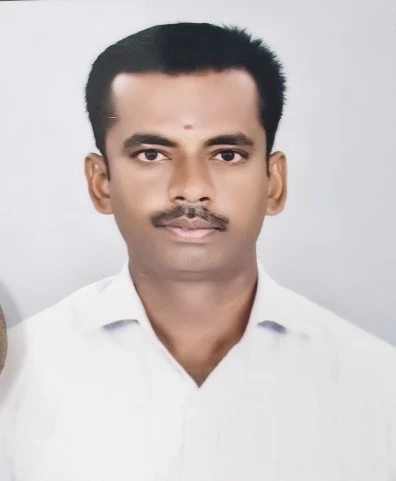
Lab Facility
Facility
Project
Events
Placement
Graduates with a Bachelor of Engineering in Electrical and Electronics Engineering have a wide range of career opportunities in various sectors. Some potential career paths include:
-
Power Generation and Distribution:
Work in the design, operation, and maintenance of power systems and electrical grids. -
Electronics Industry:
Opportunities in designing, manufacturing, and maintaining electronic components and systems. -
Renewable Energy:
Focus on the development and implementation of sustainable energy solutions such as solar and wind power. -
Automation and Control Systems:
Engage in the design and implementation of automated systems in industries. -
Telecommunications:
Work on the design and maintenance of communication systems and networks. -
Research and Development:
Contribute to advancements in electrical and electronics technologies through research. -
Consulting:
Provide expertise to businesses or government agencies on electrical and electronics engineering matters. -
Entrepreneurship:
Start your own business in areas such as electronics manufacturing, energy solutions, or consulting.
Conclusion:
The Bachelor of Engineering in Electrical and Electronics Engineering at
CMS College of Engineering equips students with the knowledge and skills
necessary to excel in the dynamic field of electrical and electronics
engineering. The curriculum is designed to prepare graduates for diverse
career opportunities and to meet the challenges of the ever-evolving
technological landscape.